The Future Is Physical

Notes from a Radical Book Fair
October 25th felt like stepping into a small, breathing library of liberation.
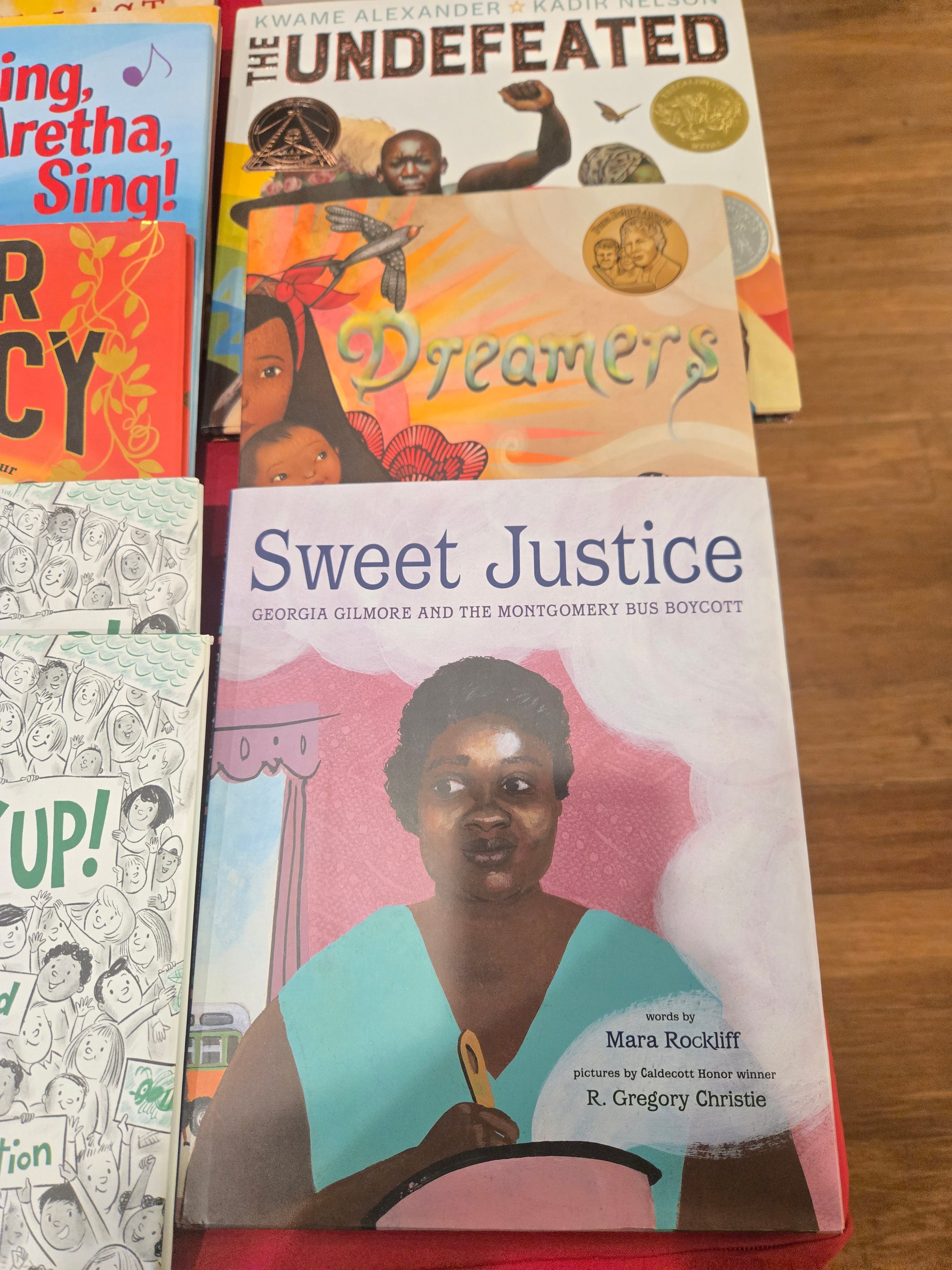
Tables overflowed with zines, abolitionist books, speculative fiction, and children's illustration books about surviving capitalism, and finding family and community.
Folks came to the Auburn Avenue Research Library to trade books and zines, but also to find each other.
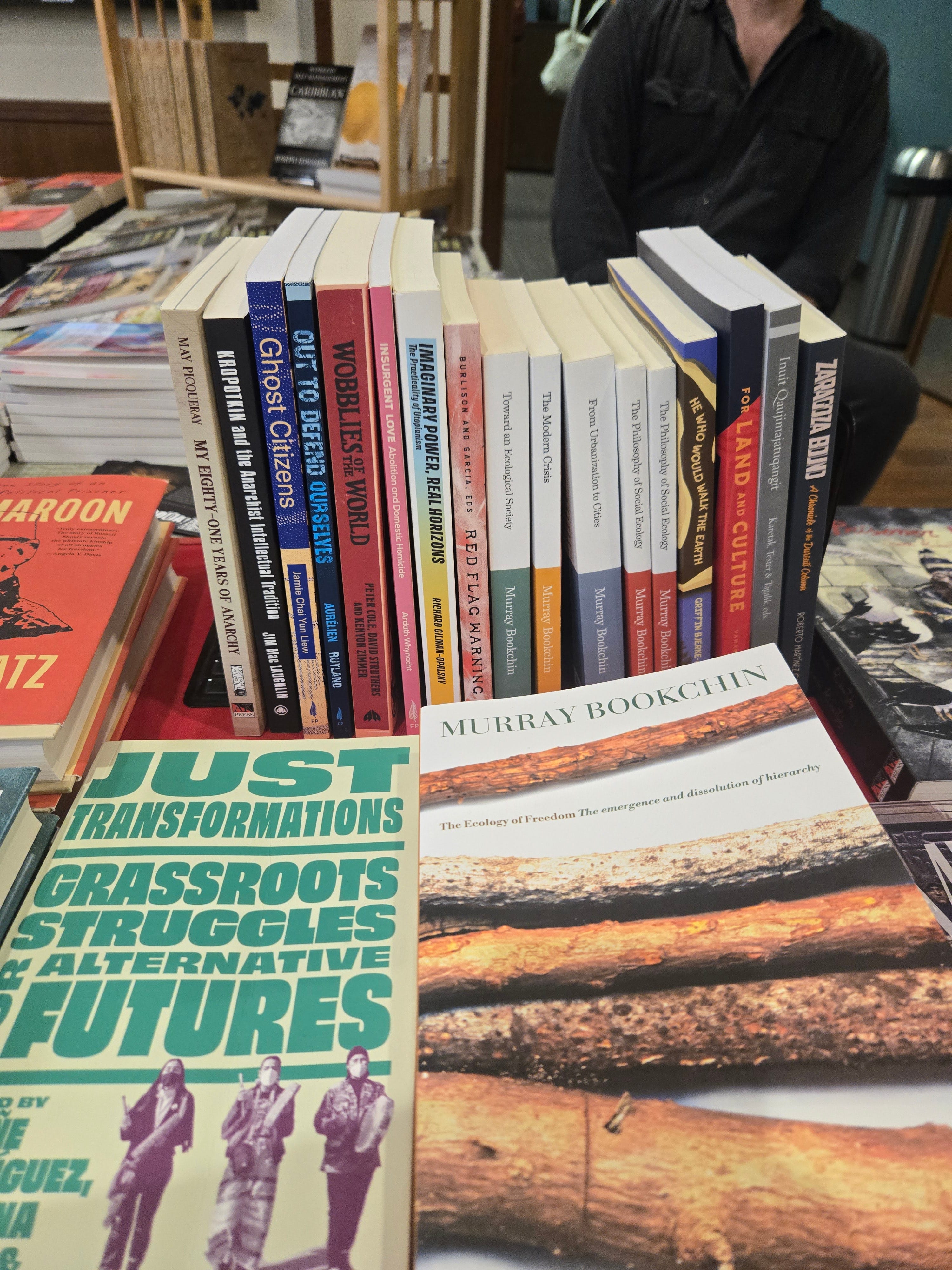
The Radical Book Fair isn’t just a marketplace. It's a gathering of radical writers, publishers, artists, activists and careworkers from across the South.
It's a meeting ground for the stories that don’t make it to traditional bookstore shelves, the ones written in the margins or whispered between organizers, artists, and dreamers.
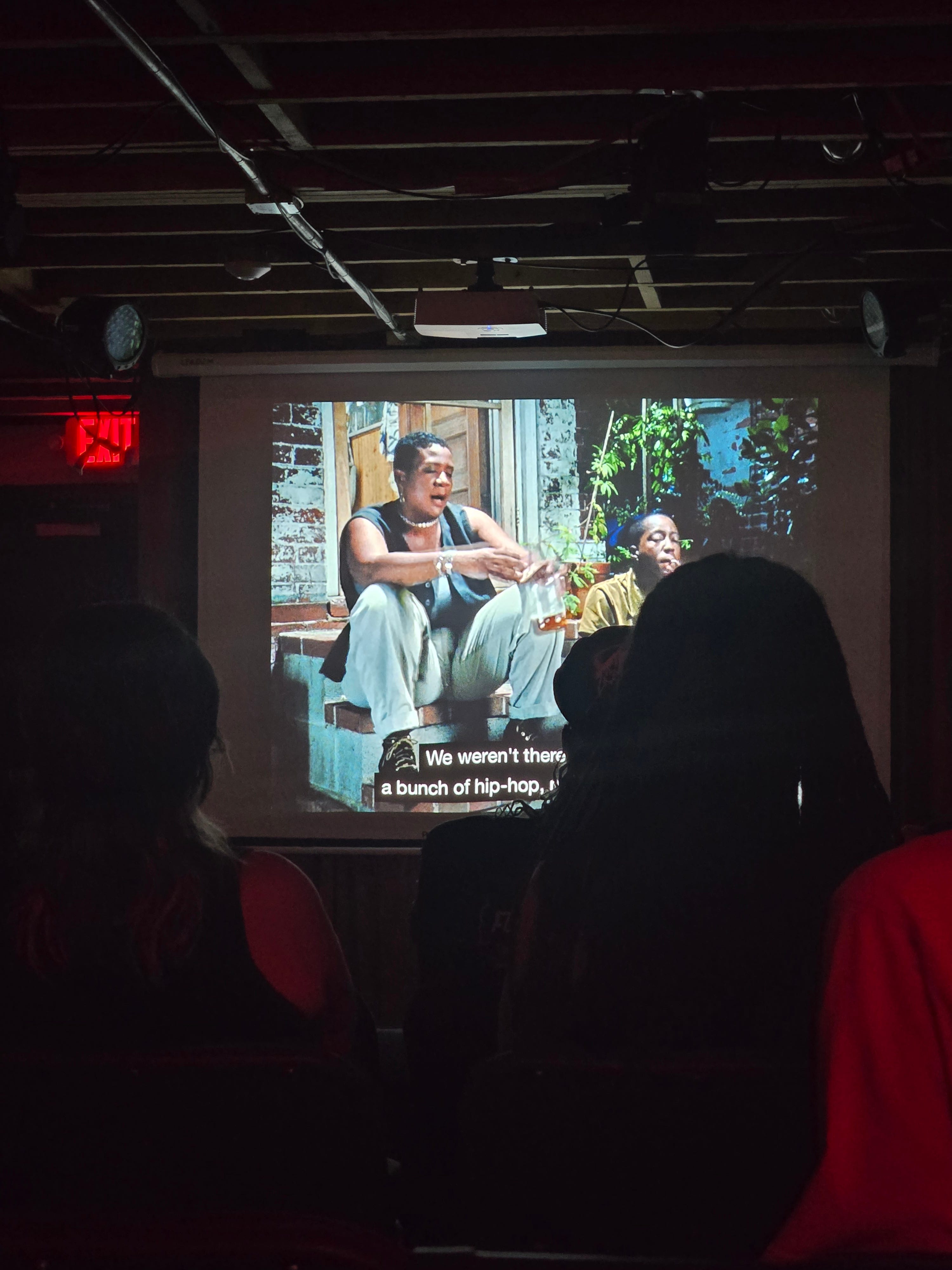
There were speaking panels, books to check out from the Refaat Mobile Library, a film screening from African Film Night and conversations about Black liberation, mutual aid, rest, and what all of these things look like in practice.
The Free Black Library had the opportunity to speak on “The Future is Physical” panel with Dr. Shady Radical, pictured to the right the founder of The Radical Archive Project (T.R.A.P) and Ashby Combahee, pictured to the left an archivist and librarian at the Highlander Research and Education Center and co-founder of Georgia Dusk, an oral history project.
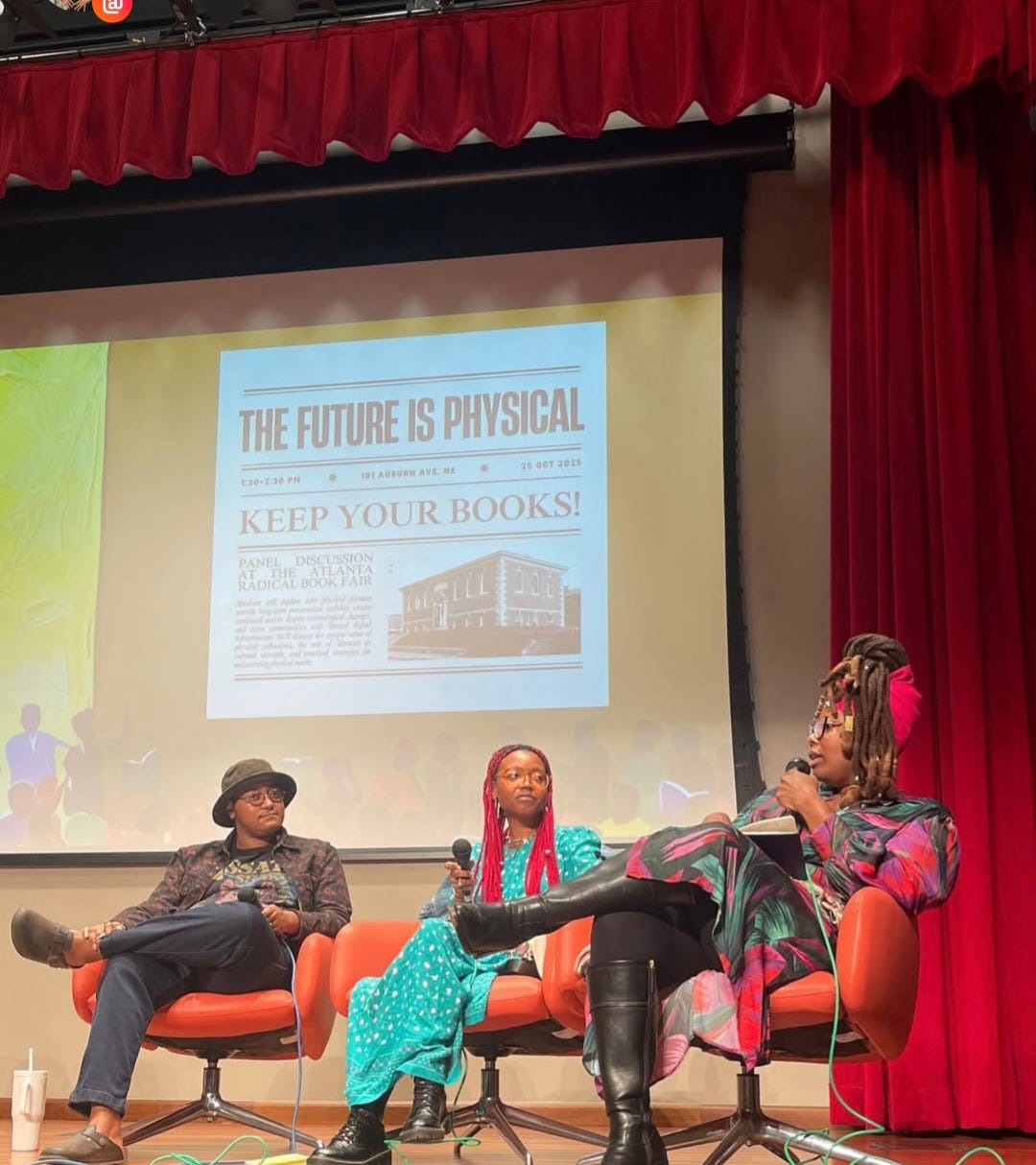
I really enjoyed the questions we were given, the ideas that the discussion stimulated and how we all represented different areas of physical media.
Ashby expressed how he fell in love with archival work through mix tapes and 8 track tapes. Dr. Radical expressed how dance and movement is also a part of storytelling and history keeping. I spoke about how I plan on connecting others through physical media like zines and films.
Our most recent screening of The Watermelon Woman at Random Sample in Nashville was a perfect example of how something like a film can bridge the gap between isolated collection (watching a film alone) and creative conversation (watching a film with a group.)
I love these kinds of gatherings—the mix of indie publishers, archivists, and artists with folding tables and big dreams. It reminded me of why I started this project in the first place: to keep our stories alive and accessible, outside the gatekeeping of institutions, capital or traditional archives.
I left reminded that literature is still a tool—with sharp edges, still a weapon, still a balm.
Radical book fairs remind us that the act of reading together is also an act of refusal: of erasure, isolation and of forgetting.
In a world that keeps trying to sell our imaginations back to us, spaces like this give them back freely.
These events don’t just move books, they move people towards each other.
The Free Black Library is built on that feeling—connection as survival, reading as resistance and cultural criticism as fruitful conversations.
We can't wait to join ya'll next year!
XOXO-
C./Camden
Founder of The Free Black Library